When a supplier sends a purchase order acknowledgment for electronic components, check it against the PO you released. For each line, confirm the exact part, accepted quantity, and date for each shipment or delivery. If the supplier changes a date, accepts only part of a line, or proposes a substitute, record the exception and agree on how to resolve it before counting the affected quantity toward a production build.
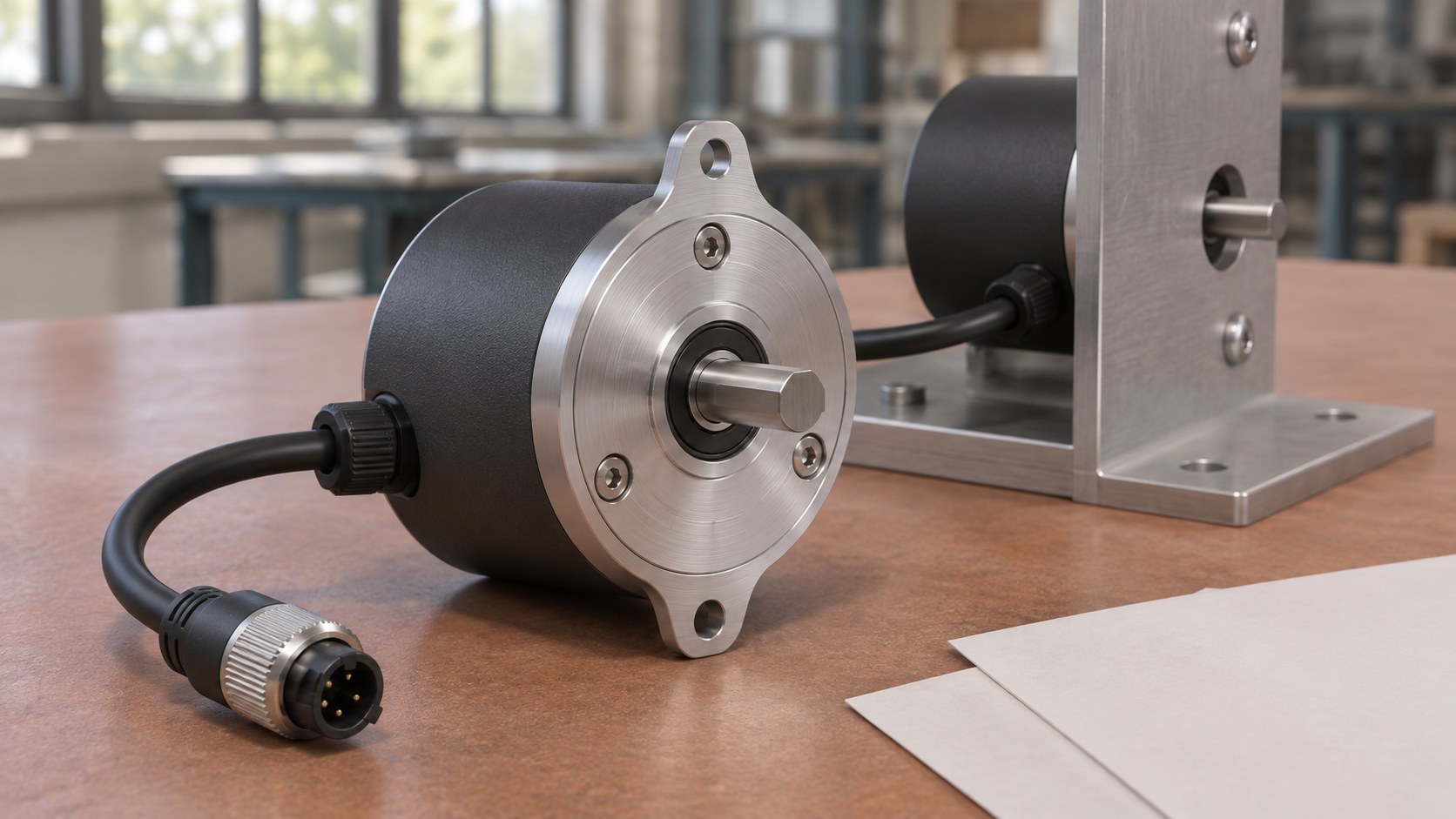
The most consequential change can sit below a reassuring order status. A supplier may acknowledge all 600 encoders on a PO while committing only 350 ahead of the first build. A buyer who reviews the delivery schedule can address that gap while there is still time to bring parts forward, source the shortfall, or reschedule the build.
What does a purchase order acknowledgment confirm?
Start by reading the supplier’s response for a line-level decision. An automatic receipt email tells you the order reached a system. An acknowledgment may indicate acceptance, rejection, or proposed changes. Oracle’s procurement documentation illustrates the distinction. Its system can process all three responses and handle changes to fields such as quantity and promised dates.
Check whether the response covers the current PO revision, especially if your team recently changed the destination or delivery schedule. Ask for line details if the supplier sends only an order number or a header status. Electronics distributor TTI, for example, asks its own suppliers to advise planned ship dates for individual order lines. Set an acknowledgment deadline appropriate to the build and agree on who to contact when a critical line has no clear response.
Reconcile the acknowledgment against the released PO
Match the part and the conditions attached to it
Use the PO number, revision, line number, and release number where applicable. Compare the manufacturer and full manufacturer part number, including any suffix, against the released order. Check the quoted packaging, unit of measure, unit price, currency, and any separately agreed charges. A response that says “one box” needs an agreed pieces-per-box conversion before the quantity can be loaded into a planning system.
Read comments and attachments for changes that can affect whether the factory will use the parts. Examples include an alternate manufacturer, a different package, or documentation the supplier can supply only for some of the quantity. If a change needs engineering or quality approval, record the affected quantity as conditional and give the approver a deadline. If the acknowledgment adds different cancellation or rescheduling terms, review the proposed commitment before authorizing it. The Cplus guide to NCNR component orders covers that commercial decision.
Attach a quantity and status to each date
For each split shipment, record the accepted pieces, which date the supplier is committing to, and whether that date means dispatch or arrival at the named receiving location. Put a balance with no committed date on its own row, even if the supplier expects replenishment soon. Keep the original requested dates visible so planners can see where the revised schedule diverges from demand.
Translate each expected arrival into a date when receiving and quality expect to release the parts for use. Allow for transit where the supplier commits only to dispatch, and for any planned receiving checks, inspection, or kitting. Verify the destination, particularly when the OEM places the order and a contract manufacturer receives it. For electronic data interchange, X12’s public transaction set descriptions identify 855 as the purchase order acknowledgment and 856 as the ship notice or manifest. Preserve the distinction in planning records. A ship notice moves the order to the next stage, and the receiving team still has to confirm what arrived and what can be issued to production.
Worked example: A 600-piece order leaves 150 pieces missing for build one
In this hypothetical example, an assembly plant orders 600 rotary encoders. It needs 500 released to production by Day 8 and the remaining 100 by Day 18. There is no usable stock on hand. The supplier accepts the exact ordered part and gives the following response. All dates use the same planning calendar, and receiving and release take two days in this example.
| Quantity | Supplier’s acknowledgment | Expected release to production |
|---|---|---|
| 350 | Delivery to the assembly plant on Day 5 | Day 7 |
| 150 | Delivery to the assembly plant on Day 11 | Day 13 |
| 100 | Awaiting upstream confirmation | Open |
Only 350 pieces are scheduled to clear receiving in time for the first build. The immediate shortfall is 150 pieces. By Day 18, the two dated deliveries would cover 500 pieces in total, leaving a separate 100-piece gap against cumulative demand if the balance remains open. Those gaps describe different points on the same schedule.
First, ask the supplier whether it can bring the 150-piece shipment forward to Day 6 at the receiving dock. Ask for a written line confirmation and any expedite charge. If the supplier can move only 80 pieces, the immediate sourcing requirement drops to 70. If you buy 70 elsewhere in time for the first build and the original supplier still delivers its remaining 70 on Day 11, those later pieces cover 70 of the 100 needed for Day 18. You now need only 30 from the original supplier’s undated balance of 100. Agree to any reduction in writing. If the original quantity remains binding, plan for the 70 excess pieces and include them when comparing the cost of the recovery options.
Close exceptions in writing and keep the plan current
For each discrepancy, record the original requirement, supplier response, affected quantity, owner, decision deadline, and next action. Use the build’s material cutoff to set the deadline. A pending response can stay visible as a possible source while the planner works from the dates and quantities that have a usable commitment.
- For a late or partial shipment, request a revised quantity and date by release. Ask what must happen to make the commitment firm, and check whether the new schedule still meets the material cutoff.
- For a proposed alternate or documentation exception, route the exact change to the responsible approver. Confirm the disposition and the quantity it covers before issuing any revision.
- For an accepted change, use the controlled PO revision or change process, get the supplier’s written confirmation, and update purchasing and planning from the same record. Retain the superseded schedule for reference.
- For a critical item, agree on the next confirmation point. If the supplier moves a date again, repeat the review for the affected release and notify the planner who owns the build.
Request a quote for the quantity your plan is missing
Cplus Electronics sources electronic components, including hard-to-find and allocated parts. If an acknowledgment leaves a gap, use the Cplus Submit Requirement page to enter one or more part numbers and quantities. The page also lists an email address for spreadsheet BOMs. In a BOM or accompanying email, provide the exact manufacturer part number, uncovered quantity, latest acceptable arrival date, ship-to location, approved alternates, and any packaging or documentation requirements. Indicate whether a partial shipment would help and how many pieces it would need to contain. That gives the sourcing team a specific quantity and deadline to quote.