Reducing the cost of an electronic bill of materials is not simply a matter of finding the lowest unit price. For OEMs, contract manufacturers, EMS providers, and industrial buyers, the better goal is to lower total procurement cost while protecting quality, availability, traceability, and long-term production continuity.
In short: effective electronic component BOM cost reduction combines clean data, global price benchmarking, approved alternatives, lifecycle planning, supplier qualification, inventory control, and disciplined quality assurance. The result can be a more competitive product without introducing unnecessary supply-chain risk.
What Is Electronic Component BOM Cost Reduction?
Electronic component BOM cost reduction is the structured process of reviewing every line in a bill of materials to identify safe opportunities to reduce purchase price and total landed cost. A BOM review may cover semiconductors, integrated circuits, memory, processors, capacitors, resistors, inductors, relays, switches, sensors, connectors, cables, power supplies, electromechanical parts, and industrial automation components.
The process is sometimes called BOM optimization, BOM analysis, purchase price variance analysis, or PPV cost reduction. Whatever name is used, a responsible program should evaluate more than price. It should also consider component specifications, manufacturer approval, lifecycle status, lead time, minimum order quantity, packaging, date-code requirements, compliance, testing, freight, and inventory exposure.
Why the Lowest Component Price May Not Produce the Lowest Cost
A quotation can look attractive while creating expenses elsewhere in the supply chain. Before accepting a lower price, calculate the complete cost of receiving and using the material.
Total BOM cost may include:
- Component purchase price
- Freight, duties, tariffs, and currency exposure
- Inspection, testing, and documentation
- Minimum order quantities and unused inventory
- Storage, handling, and moisture-control requirements
- Production delays caused by late or nonconforming parts
- Engineering time required to qualify an alternative
- Redesign costs created by component obsolescence
A small unit-price saving can disappear if the order creates excess stock, requires expensive testing, or delays production. The strongest cost-reduction decisions therefore balance price, quality, delivery, and lifecycle risk.
10 Practical Strategies for Reducing Electronic Component BOM Costs
1. Clean and Standardize the BOM Before Requesting Quotes
Incomplete BOM data produces slow, inconsistent quotations. Begin by standardizing manufacturer names and manufacturer part numbers. Remove duplicate lines, flag custom parts, and separate approved alternates from unapproved suggestions.
For each line item, provide as much of the following information as possible:
- Exact manufacturer part number and manufacturer
- Component description and reference designator
- Required quantity and annual usage
- Current price and target price
- Approved alternate manufacturers or part numbers
- Required lead time and delivery schedule
- Packaging, moisture-sensitivity, and date-code requirements
- RoHS, REACH, export, or industry-specific requirements
- Inspection, testing, traceability, and documentation requirements
Clean data allows suppliers to compare the same requirement, reduces clarification emails, and makes the final cost comparison more reliable.
2. Prioritize High-Spend and High-Risk Components
Not every BOM line deserves the same level of analysis. Start with the parts that have the greatest effect on product cost or production continuity. These often include processors, microcontrollers, FPGAs, power-management ICs, memory, displays, high-value connectors, specialized sensors, and custom electromechanical components.
Next, identify lower-cost parts that are used in large volumes. Passive components such as capacitors, resistors, inductors, ferrite beads, and protection devices may provide meaningful aggregate savings when the annual quantity is high.
A useful review separates the BOM into four groups: high spend, high supply risk, high annual volume, and easy-to-source commodity parts. This helps procurement and engineering teams focus their time where it can create the largest practical benefit.
3. Benchmark Pricing and Purchase Price Variance
Historical pricing should not be treated as a permanent market price. Component pricing can change because of demand, wafer and raw-material costs, regional inventory, exchange rates, manufacturer programs, order volume, and product lifecycle.
Compare the current price against multiple qualified sources, realistic volume breaks, and available manufacturer programs. Review both the quoted unit price and the total landed cost. When a lower price is found, confirm that the manufacturer, part number, condition, packaging, and delivery terms match the original requirement.
C Plus Electronics offers a dedicated BOM Cost Reduction Program for OEMs and contract electronic manufacturers seeking purchase price variance opportunities across their electronic component requirements.
4. Qualify Alternate and Cross-Referenced Components Early
Single-source components can increase both cost and supply risk. Engineering-approved alternatives create competition between suppliers and provide options when the preferred part is on allocation, has a long lead time, or reaches end of life.
An alternate part should never be approved from a short description alone. Engineering teams should compare:
- Electrical ratings and tolerances
- Package, footprint, pinout, and dimensions
- Temperature range and environmental rating
- Performance, timing, memory, or firmware requirements
- Qualification level and regulatory compliance
- Manufacturer lifecycle status and supply availability
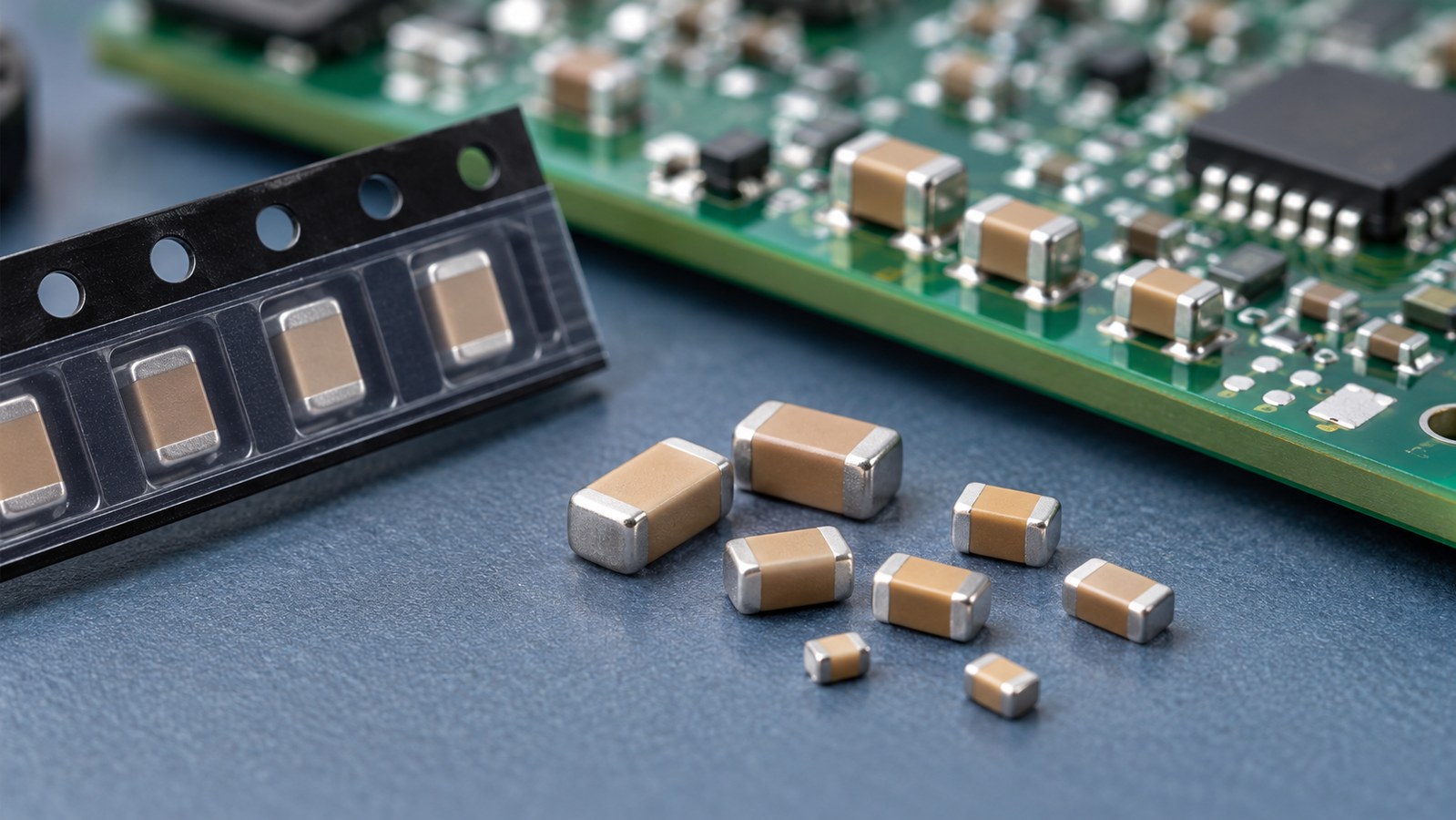
Passive components often provide useful second-source opportunities when capacitance, resistance, voltage, tolerance, dielectric, package size, termination, and reliability requirements are matched correctly. Buyers can review C Plus Electronics’ alternative passive component sourcing capabilities when an existing passive is expensive, obsolete, or difficult to obtain.
5. Manage Component Lifecycle and EOL Risk Proactively
End-of-life and obsolete components can become expensive because available inventory declines while installed products still require service and production support. Waiting until authorized stock is exhausted can force a company into urgent spot purchases or an unplanned redesign.
Monitor product change notices, product discontinuance notices, last-time-buy dates, and manufacturer lifecycle information. For critical parts, decide in advance whether the best response is a last-time buy, an approved cross-reference, a drop-in replacement, a redesign, or long-term inventory storage.
C Plus Electronics provides an EOL and obsolete part replacement program covering integrated circuits, passives, connectors, relays, switches, sensors, crystals, cables, and other component categories.
6. Use the Right Sourcing Channel for Each Requirement
Manufacturer-direct and authorized distribution should normally be evaluated first when availability, schedule, and commercial terms meet the program’s needs. Shortages, allocations, obsolete parts, and urgent line-down requirements may require a broader global sourcing strategy.
When purchasing outside a normal authorized channel, treat supplier qualification and part verification as part of the cost—not as optional extras. Confirm the source, condition, traceability, packaging, date code, inspection plan, testing requirements, warranty, and return terms before issuing a purchase order.
The C Plus Electronics counterfeit-prevention process describes inspection methods such as barcode verification, optical microscopy, X-ray analysis, solderability testing, electrical comparison, and datasheet verification. Its certificates page also lists ISO 9001:2015 and AS9100D registrations.
7. Optimize Order Quantity, Packaging, and Delivery Schedules
A lower price at a large volume break is not a saving if much of the inventory remains unused. Compare the economic order quantity with the actual forecast, product lifecycle, storage conditions, and risk of a design change.
Ask whether the supplier can support scheduled releases, split shipments, smaller reels, partial packaging, or consolidated deliveries. For moisture-sensitive devices, batteries, and components with special storage requirements, include handling and shelf-life considerations in the purchasing decision.
Buffer stock can protect production for high-risk parts, but it should be intentional. Define which components justify safety inventory, how much coverage is appropriate, and who owns the liability if demand changes.
8. Consolidate Suppliers and Logistics Where It Makes Sense
Managing too many low-value suppliers can create hidden administrative cost. Every vendor may require onboarding, purchase orders, payment processing, shipment tracking, receiving, inspection, and performance monitoring.
Consolidating compatible BOM lines with a qualified electronic components distributor can reduce freight, customs transactions, and procurement workload. However, supplier consolidation should not create a new single point of failure. Maintain alternate sources for critical parts and review supplier performance using delivery, quality, responsiveness, and corrective-action data.
9. Connect Component Procurement With PCB and Manufacturing Decisions
BOM optimization works best when procurement, engineering, quality, and manufacturing collaborate early. A cheaper component may require a footprint change, a new stencil, firmware work, additional testing, or a different assembly process. Those costs should be considered before the alternate is approved.
Likewise, PCB material, stack-up, copper weight, surface finish, panel utilization, and order quantity can affect the total cost of an electronics build. C Plus Electronics provides a separate PCB quotation service for buyers who want to evaluate board requirements together with their wider procurement plan.
10. Turn BOM Review Into an Ongoing Process
A one-time review can find immediate savings, but component markets and production plans continue to change. Revisit high-spend and high-risk lines on a scheduled basis and whenever there is a major forecast change, redesign, supplier notice, shortage, or price increase.
Track the result of each decision. Useful measures include realized purchase price variance, avoided line-down events, on-time delivery, rejected material, excess inventory, expedited freight, and the number of critical parts with qualified alternates.
This turns electronic component procurement from a reactive purchasing activity into a repeatable supply-chain discipline.
A Simple BOM Cost-Reduction Workflow
- Prepare the data: Clean manufacturer names, part numbers, quantities, pricing, and technical requirements.
- Segment the BOM: Rank parts by spend, volume, lifecycle risk, lead time, and sourcing difficulty.
- Benchmark the market: Compare qualified pricing, availability, volume breaks, and landed cost.
- Review alternatives: Send potential cross-references to engineering and quality for approval.
- Validate suppliers: Confirm authorization, traceability, inspection, testing, and commercial terms appropriate to the risk.
- Plan the purchase: Balance MOQ, forecast, safety stock, storage, and delivery schedules.
- Measure the outcome: Record realized savings and monitor quality and delivery performance.
Common BOM Cost-Reduction Mistakes to Avoid
- Choosing a supplier only because it submitted the lowest unit price
- Comparing quotations with different packaging, date codes, or delivery terms
- Substituting a component without engineering approval
- Ignoring freight, duties, testing, carrying cost, or unused inventory
- Waiting for an EOL component to disappear before developing a replacement plan
- Buying urgent material without documented source and quality requirements
- Ordering large quantities based on an uncertain forecast
- Reporting projected savings without measuring the savings actually realized
Frequently Asked Questions
What information is needed for an electronic component BOM review?
Provide the manufacturer, manufacturer part number, description, required quantity, annual usage, current price, target price, approved alternates, delivery schedule, packaging, date-code limits, compliance needs, and any inspection or traceability requirements. Better source data generally produces faster and more comparable results.
Can BOM costs be reduced without changing the product design?
Yes. Potential savings may come from price benchmarking, volume consolidation, improved order scheduling, manufacturer programs, qualified sourcing, freight consolidation, and reduced excess inventory. Alternate components can create additional opportunities, but any technical substitution should receive the appropriate engineering and quality approval.
What is purchase price variance in electronic component procurement?
Purchase price variance, or PPV, is the difference between a component’s reference or current purchase price and the price paid under a new sourcing arrangement. A useful PPV analysis should also account for landed cost, quality requirements, MOQ, delivery terms, and inventory risk.
How do obsolete components affect BOM cost?
Obsolete components may become more expensive as authorized inventory declines. They can also create testing, storage, redesign, and production-continuity costs. Early lifecycle monitoring gives buyers more time to evaluate last-time buys, approved replacements, or redesign options.
Which component categories can be included in a BOM cost review?
A review can include integrated circuits, semiconductors, processors, memory, capacitors, resistors, inductors, relays, switches, sensors, optoelectronics, connectors, cables, power supplies, electromechanical devices, industrial controls, automation products, and many other electronic or electrical components.
Start With a Structured BOM Evaluation
The most reliable savings come from decisions that engineering, procurement, quality, and manufacturing can support together. Clean your BOM, define the technical and commercial requirements, identify the lines with the greatest opportunity, and evaluate price alongside supply risk and total cost.
If your company is reviewing electronic component costs, sourcing hard-to-find parts, qualifying alternatives, or planning around component obsolescence, submit your BOM or component requirements to C Plus Electronics for evaluation.