Quick answer: Electronic component sourcing is the process of identifying, verifying, quoting, and purchasing the exact electronic parts required for a product or production program. A reliable sourcing strategy considers manufacturer part number, technical fit, lifecycle status, availability, traceability, quality controls, lead time, and total cost—not unit price alone.
For original equipment manufacturers (OEMs), electronics manufacturing services (EMS) providers, contract manufacturers, engineers, and procurement teams, one unavailable component can delay an entire build. Integrated circuits, semiconductors, memory, capacitors, resistors, connectors, relays, sensors, oscillators, and electromechanical parts may all follow different supply cycles. Some are readily available through authorized channels; others become allocated, reach end of life (EOL), or disappear from normal distribution while the equipment that depends on them must remain in service.
This 2026 electronic component sourcing guide explains how professional buyers can protect production schedules, evaluate suppliers, manage obsolete and hard-to-find parts, reduce BOM costs, and lower counterfeit risk. It also provides a practical RFQ checklist that purchasing teams can use immediately.
What Is Electronic Component Sourcing?
Electronic component sourcing covers the full procurement process, from defining the requirement to receiving verified parts. It is broader than searching for a part number and choosing the lowest advertised price. A sound process answers five questions:
- Identity: Is this the exact manufacturer part number, package, revision, grade, and specification required?
- Availability: Is the component genuinely available in the required quantity and delivery window?
- Source: Who manufactured, stored, and supplied the material, and what traceability is available?
- Quality: What inspection, documentation, and testing are appropriate for the component's risk?
- Commercial fit: Does the quote meet target cost, payment, logistics, warranty, and production needs?
When these questions are addressed together, component procurement becomes a supply-chain function rather than a last-minute purchasing transaction.
Why Electronic Parts Procurement Is More Complex in 2026
Electronic supply chains move in cycles. Demand changes, factory capacity, geopolitical events, transportation constraints, product change notices, and manufacturer lifecycle decisions can affect availability with little warning. The market may be broadly stable while selected memory devices, analog ICs, microcontrollers, power semiconductors, connectors, passives, or specialty components remain difficult to source.
Procurement teams commonly face:
- Long manufacturer lead times and allocation
- Unexpected component shortages that threaten line-down situations
- End-of-life notices and last-time-buy decisions
- Obsolete semiconductors required for long-lifecycle equipment
- Inconsistent date-code or lot requirements
- Counterfeit, remarked, reclaimed, or improperly stored parts
- Rising BOM costs and purchase price variance
- Excess inventory after forecasts or designs change
The solution is not to rely on one channel for every situation. Buyers need a sourcing plan that combines approved manufacturers, authorized distributors, and qualified independent electronic component distributors according to risk and availability.
Authorized vs. Independent Electronic Component Distributors
When Authorized Distribution Is the Best Route
Manufacturer-direct and authorized distribution should normally be the first choice for active components when stock and lead time meet the requirement. These channels offer a direct commercial relationship with the original component manufacturer, standard traceability, and access to current technical information.
Authorized distributors are especially suitable for new product introduction, planned volume production, and components that are active and available within the project schedule.
When an Independent Distributor Adds Value
A qualified independent electronic components distributor can extend the search when regular channels are out of stock or cannot support a legacy requirement. Independent sourcing is often used for:
- Hard-to-find electronic components
- Obsolete and discontinued semiconductors
- End-of-life components after the last-time-buy window
- Allocated or long-lead-time parts
- Shortage and line-down requirements
- Cost-reduction and purchase price variance opportunities
- Excess inventory disposition and inventory balancing
The key distinction is qualification. Open-market reach must be supported by supplier screening, source documentation, inspection, risk-based testing, and clear commercial terms.
A Seven-Step Electronic Component Sourcing Process
1. Define the Exact Technical Requirement
Begin with the complete manufacturer part number (MPN), manufacturer name, quantity, target delivery date, and required condition. Where applicable, include package type, temperature grade, speed grade, voltage, tolerance, revision, finish, RoHS status, moisture sensitivity level, and acceptable date-code range.
A small suffix can identify a different package, electrical specification, temperature range, or packing method. Never approve a shortened or "base" part number without engineering confirmation.
2. Check Lifecycle and Supply Risk
Determine whether each component is active, not recommended for new designs, approaching EOL, or already obsolete. For a complete bill of materials, classify parts by both business impact and sourcing difficulty. A low-cost capacitor can still stop production if it is sole-sourced and unavailable.
High-risk items should have a plan for qualified alternates, second sources, forecast coverage, or a controlled last-time buy. C Plus Electronics also supports customers seeking EOL and drop-in replacement options for legacy applications.
3. Search the Appropriate Supply Channels
Start with the original manufacturer and its authorized distribution network. If availability, lead time, or lifecycle status does not meet the requirement, expand the search through a vetted global sourcing partner. Keep the approved-vendor list, traceability expectations, and testing requirements aligned with the risk level of the application.
For urgent requirements, C Plus Electronics offers electronic component shortage sourcing across a global supplier network.
4. Send a Complete RFQ
A precise request for quotation produces faster and more comparable responses. Include:
- Full manufacturer part number and preferred manufacturer
- Required quantity and annual usage
- Target price, if available
- Required delivery date and ship-to country
- Acceptable alternates or "no alternates" instruction
- Date-code, lot-code, packaging, and condition requirements
- RoHS, REACH, conflict-minerals, or other compliance needs
- Certificate of Conformance or traceability requirements
- Inspection or third-party testing requirements
Buyers can use the C Plus Electronics electronic component RFQ form to submit individual part numbers, quantities, and supporting documents.
5. Evaluate the Supplier, Not Just the Quote
A low quote is not valuable if the supplier cannot prove what will ship. Before placing an order, evaluate:
- Quality-management certifications and their current scope
- Supplier qualification and ongoing performance monitoring
- Source disclosure and available chain-of-custody documents
- Incoming inspection and testing capabilities
- ESD-safe handling, moisture control, and storage practices
- Warranty, return-material authorization, and nonconformance process
- Export-control and trade-compliance procedures
- Responsiveness when a discrepancy or schedule change occurs
Certificates should be verified rather than accepted as a logo on a website. C Plus Electronics makes its ISO 9001:2015 and AS9100D certificates available online for customer review.
6. Match Inspection and Testing to Risk
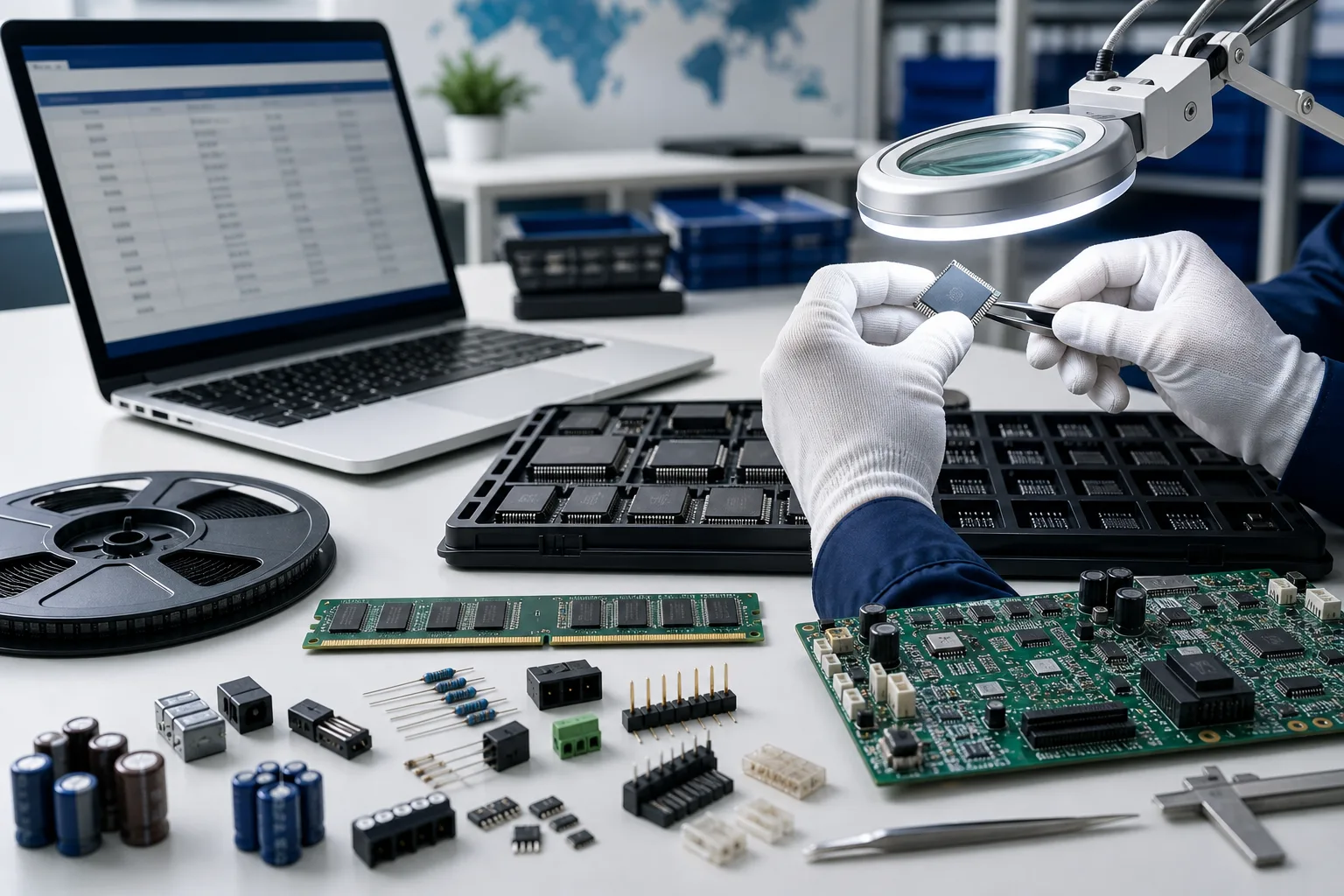
Not every resistor and processor requires the same test plan. The appropriate level depends on source, value, application, lifecycle, package, and available traceability. A risk-based inspection plan may include packaging and label review, barcode verification, dimensional checks, optical microscopy, marking inspection, X-ray analysis, solderability testing, or electrical comparison against the manufacturer's specifications.
These controls are particularly important when sourcing scarce, obsolete, or open-market material. Learn more about C Plus Electronics' counterfeit component prevention and inspection methods.
7. Compare Total Cost and Protect Continuity
Unit price is only one part of component cost. Also compare freight, duties, inspection, testing, packaging conversion, payment terms, minimum order quantity, potential yield loss, and the cost of a delayed production line. A slightly higher verified quote may have a much lower total risk-adjusted cost.
After the order, track supplier performance, delivery accuracy, incoming quality, and changes in market availability. Feed that information back into future sourcing decisions.
How to Source Obsolete and Hard-to-Find Electronic Components
Long-lifecycle products in aerospace, defense, medical, industrial, transportation, telecom, and energy applications often remain in service well beyond a semiconductor's commercial production life. When a component becomes obsolete, buyers should follow a controlled escalation path:
- Confirm the lifecycle status with the original manufacturer.
- Search authorized inventory and authorized after-market sources.
- Ask engineering to evaluate form-fit-function replacements.
- Review last-time-buy, redesign, and lifetime-storage economics.
- If independent sourcing is required, document the source and apply risk-based inspection and testing.
Avoid substituting a "similar" component based only on a short description. Engineering must compare electrical limits, timing, package dimensions, pinout, firmware implications, regulatory requirements, and environmental ratings before approving an alternate.
Counterfeit Component Prevention: Questions Every Buyer Should Ask
Counterfeit electronic parts may include remarked devices, reclaimed components sold as new, empty or incorrect packages, altered date codes, or devices that fail to meet the original specification. The risk increases when demand is urgent and normal supply channels are exhausted.
Ask a prospective supplier:
- Can you identify the source type and available traceability before order placement?
- How are suppliers approved, rated, and disqualified?
- Which inspections are performed on every incoming lot?
- When are X-ray, solderability, decapsulation, or electrical tests recommended?
- Will inspection records and test reports be supplied with the order?
- How are nonconforming or suspect parts contained and reported?
No single test proves authenticity in every case. A defensible counterfeit-mitigation process combines source control, documentation, visual and dimensional inspection, and additional testing selected for the specific risk.
How to Reduce BOM Cost Without Increasing Supply Risk
BOM cost reduction should never mean purchasing an unverified part solely because it is cheaper. Sustainable savings come from engineering and procurement working together. Effective options include:
- Consolidating demand across programs or facilities
- Negotiating volume and scheduled-delivery agreements
- Qualifying second sources and functionally equivalent alternatives
- Reviewing passive-component specifications that exceed actual design needs
- Comparing total landed cost across approved sources
- Using excess inventory and franchised-source opportunities when traceability is suitable
- Removing duplicate or inactive parts from the approved BOM
C Plus Electronics' BOM cost reduction program allows OEMs and contract electronic manufacturers to submit manufacturer part numbers, annual usage, current pricing, and savings targets for review. Buyers looking for alternate capacitors, resistors, inductors, and related products can also explore the alternative passives service.
Electronic Components Commonly Sourced for OEM and EMS Production
A full-line sourcing requirement may include:
- Integrated circuits, microcontrollers, processors, analog and logic ICs
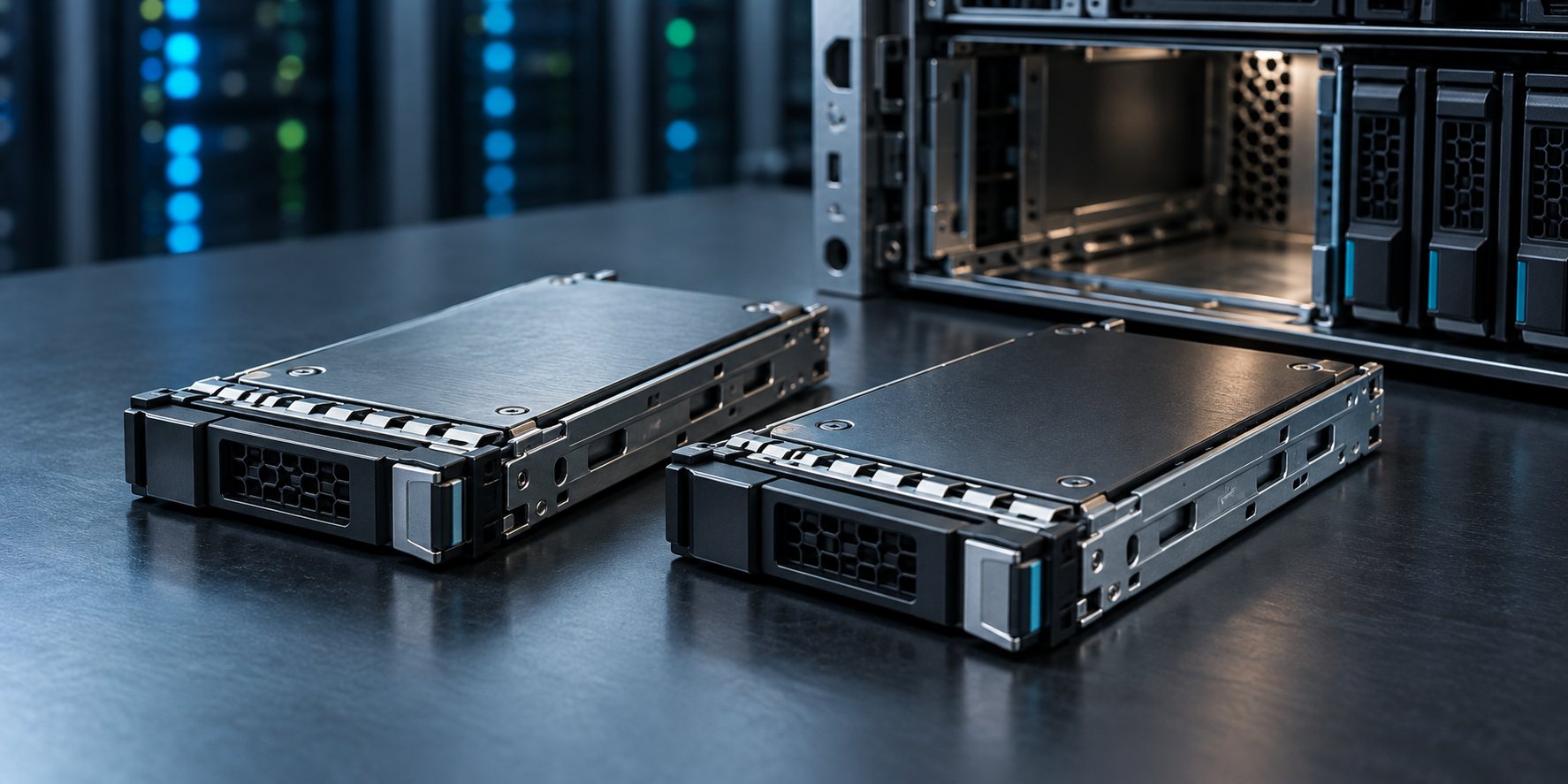
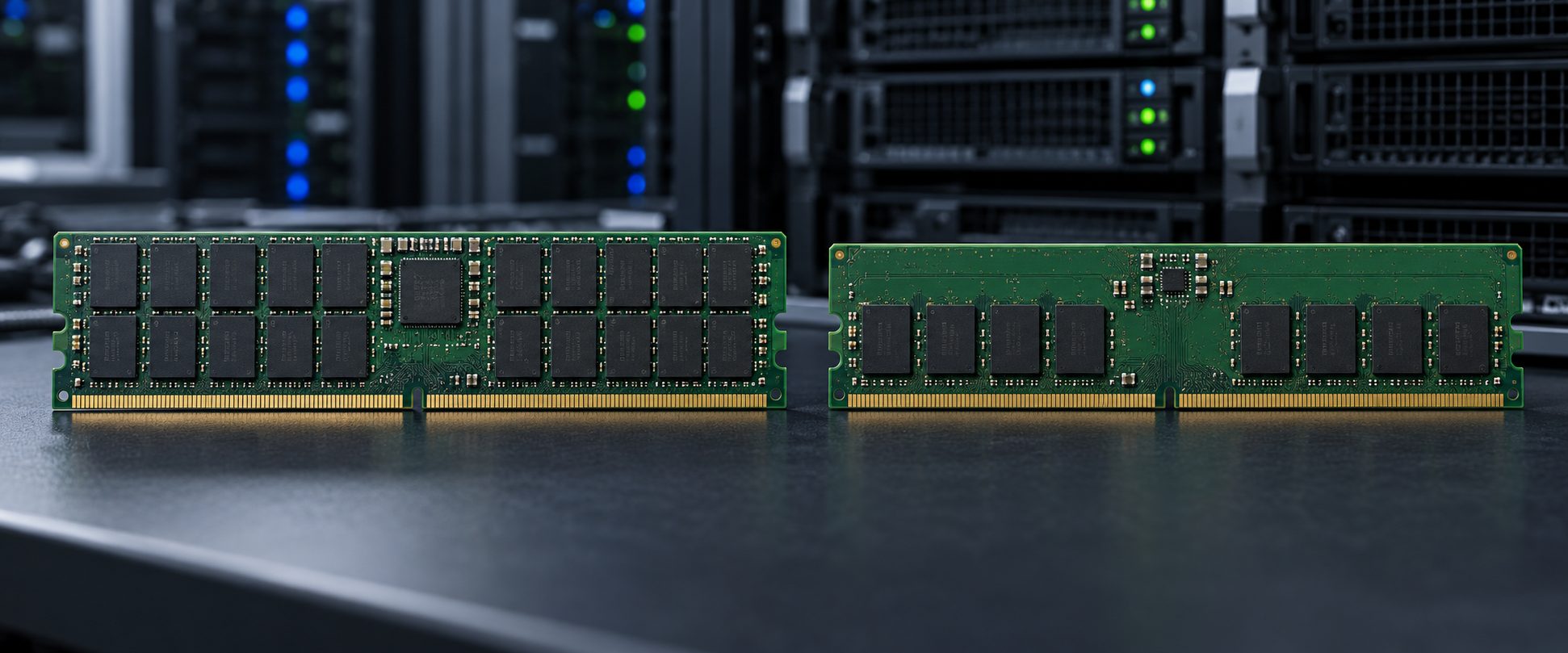
- Memory devices, modules, flash, DRAM, SRAM, EEPROM, and storage products
- Discrete semiconductors, diodes, MOSFETs, IGBTs, and transistors
- Capacitors, resistors, inductors, coils, chokes, and filters
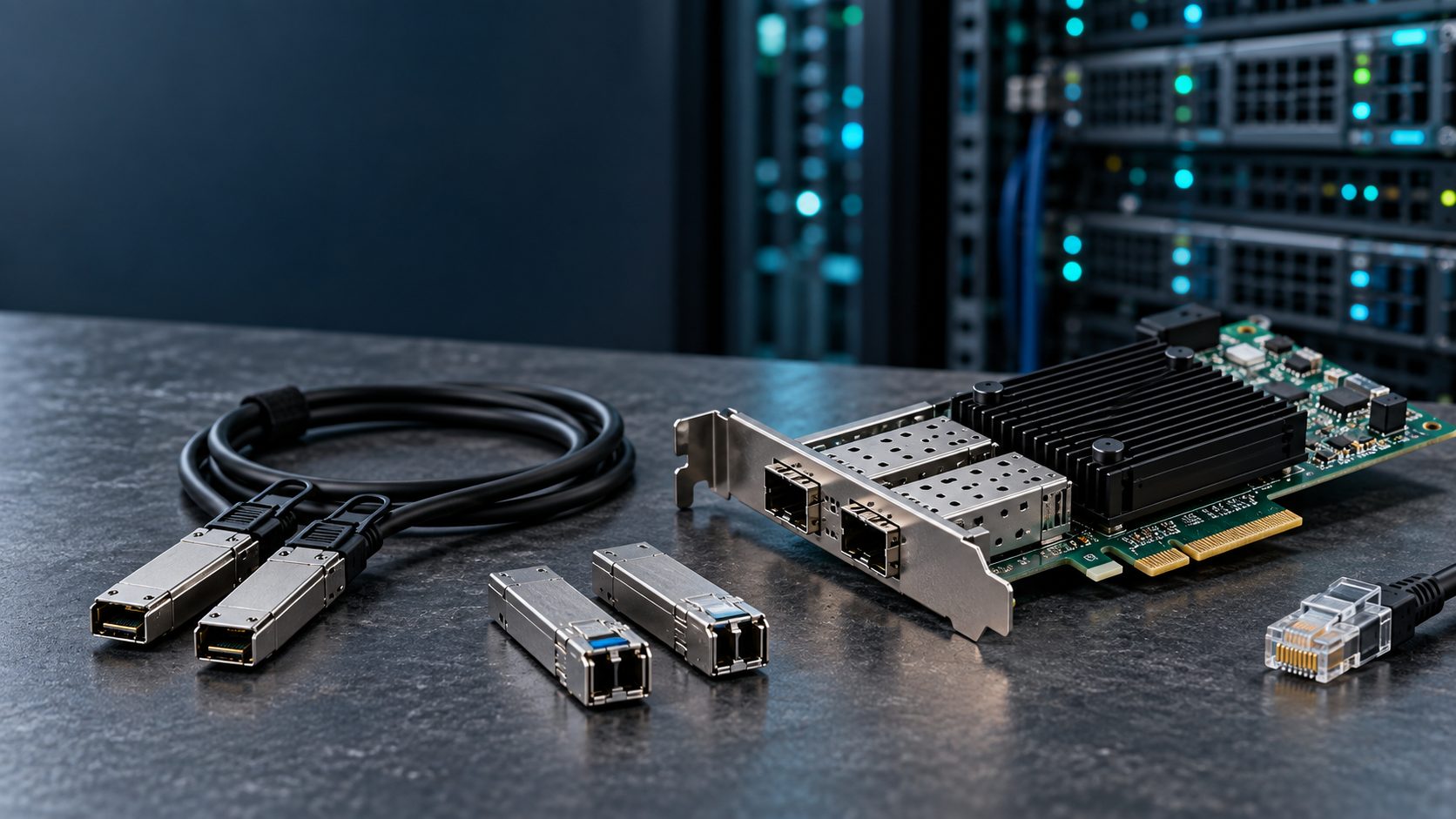
- Connectors, terminal blocks, cables, switches, and relays
- Crystals, oscillators, sensors, optoelectronics, and RF components
- Power supplies, circuit protection, thermal-management, and automation products
- Computer peripherals, CPUs, memory modules, and industrial hardware
Search requirements by manufacturer part number or review the C Plus Electronics electronic component manufacturer line card to identify supported product families.
Why OEMs and Contract Manufacturers Use C Plus Electronics
C Plus Electronics is a U.S.-based independent electronic components distributor and global sourcing partner serving OEMs, contract manufacturers, engineering teams, and procurement organizations. From its Tustin, California headquarters and international locations, the company supports requirements for active, shortage, obsolete, and hard-to-find electronic parts.
Customers can use C Plus Electronics for:
- Global electronic component sourcing
- Semiconductor and IC procurement
- Shortage and line-down support
- Obsolete component and EOL replacement searches
- BOM sourcing and cost-reduction analysis
- Counterfeit-risk mitigation and component inspection
- Excess inventory and supply-chain support
The right sourcing partner should make the procurement process clearer—not simply provide another quote. It should help the buyer understand source, condition, lead time, documentation, quality controls, and alternatives before a commitment is made.
Electronic Component Sourcing FAQ
How do I find a reliable electronic components supplier?
Check the supplier's quality certifications, source transparency, inspection capabilities, traceability options, storage and ESD controls, warranty terms, industry experience, and response to quality problems. Confirm that the supplier can support the exact product category and risk level you require.
What information should be included in an electronic component RFQ?
Include the full manufacturer part number, manufacturer, quantity, annual usage, target price, required delivery date, ship-to country, acceptable alternatives, packaging, date-code limits, compliance needs, and required documentation or testing.
What is the difference between an authorized and an independent distributor?
An authorized distributor has a formal agreement with the original component manufacturer for the products it sells. An independent distributor sources across a wider market and may be valuable for shortages, obsolete parts, cost reduction, and hard-to-find components. Independent sourcing requires careful supplier qualification, traceability review, and risk-based inspection.
How can I safely buy obsolete electronic components?
Confirm the part's lifecycle status, search authorized and approved sources first, investigate qualified replacements, and document the source. When open-market sourcing is necessary, use a supplier with established counterfeit-mitigation controls and select testing appropriate to the part and application.
Can a distributor help reduce BOM cost?
Yes. A distributor can compare approved sources, consolidate demand, identify alternate passives or second sources, review price variance, and evaluate excess or franchised inventory opportunities. Engineering approval and quality requirements should remain part of every cost-reduction decision.
Does C Plus Electronics accept complete BOMs?
Yes. OEMs, EMS providers, and contract manufacturers can submit a BOM with manufacturer part numbers, quantities, annual usage, current pricing, and target savings for sourcing and cost-reduction review.
Request an Electronic Component Quote
If your production team needs active, allocated, obsolete, or hard-to-find electronic components, send C Plus Electronics the complete manufacturer part number, quantity, and delivery requirement. For multi-line projects, include your BOM so the sourcing team can review availability, alternatives, and cost-saving opportunities together.
Submit your electronic component requirement, email sales@cpluselectronics.com, or call +1 714-783-7141.